A compressor running too hot can turn a system problem into an internal failure. High discharge temperature can damage lubrication and compressor components, so recognizing the signs and checking the system conditions early matters.
Signs of High Discharge Temperature
- Discolored valve plate that cannot be rubbed off
- Overheated or burned valve reeds
- Worn rings, pistons and cylinders
- Scored bearing and crankshaft
- Discharge temperature not over 217°F
This condition is caused by abnormally high temperatures inside the compressor. When the head and cylinders overheat, the oil can lose its ability to lubricate, leading to internal damage and failure.
What to Check
- High compression ratio: check for low suction and high discharge pressures
- Inspect for low-load conditions or evaporator issues
- Verify the low-pressure control setting
- Ensure adequate airflow across the condenser
- Check the temperature drop across the condenser
- Look for restrictions at the condenser inlet
High discharge temperature is often a symptom of a larger system condition. Identifying and correcting that condition before returning the equipment to service can help protect the compressor from repeated overheating and damage.
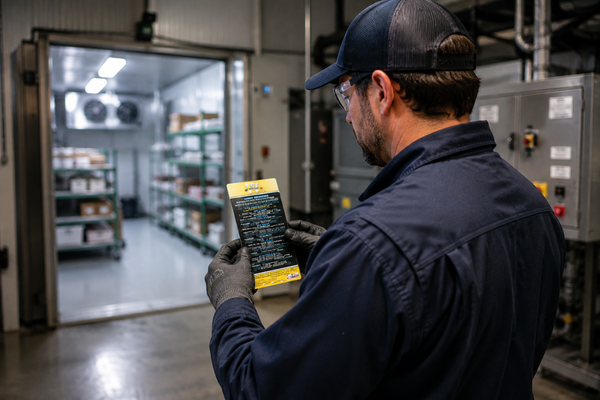
Keep the handy Reference Card within Reach
Want these troubleshooting tips handy in the field? Enter your mailing address and we will send you a National Compressor Exchange Handy Reference Card.