Liquid slugging can cause serious compressor damage quickly. Broken reeds, rods or crankshafts, loose or broken discharge bolts and blown gaskets can all point to a compressor trying to handle something it was never designed to compress: liquid.
What Is Liquid Slugging?
Slugging occurs when liquid, usually a mixture of refrigerant and oil, enters the cylinders and the compressor attempts to compress it. This condition is primarily associated with refrigerant migrating into the oil during the off-cycle.
- Signs to Look For
- Broken reeds, rods or crankshaft
- Loose or broken discharge bolts
- Blown gaskets
What to Check
When you see signs consistent with liquid slugging, check the unloading, pump-down cycle, suction line size and TXV sizing. These checks can help you identify conditions contributing to liquid entering the cylinders before another compressor is put at risk.
Finding the cause is just as important as addressing the damage. Correcting the underlying system issue can help protect the compressor you install next and reduce the chance of another failure.
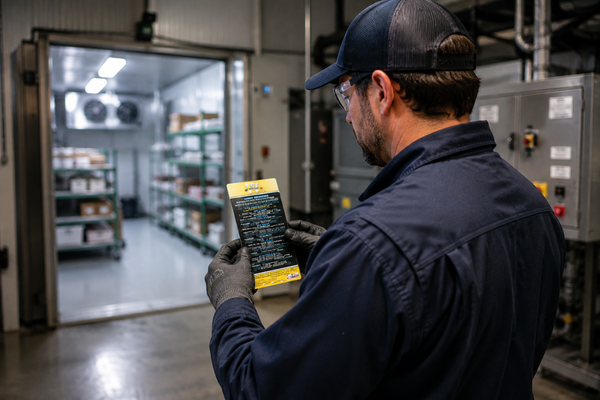
Keep the handy Reference Card within Reach
Want these troubleshooting tips handy in the field? Enter your mailing address and we will send you a National Compressor Exchange Handy Reference Card.