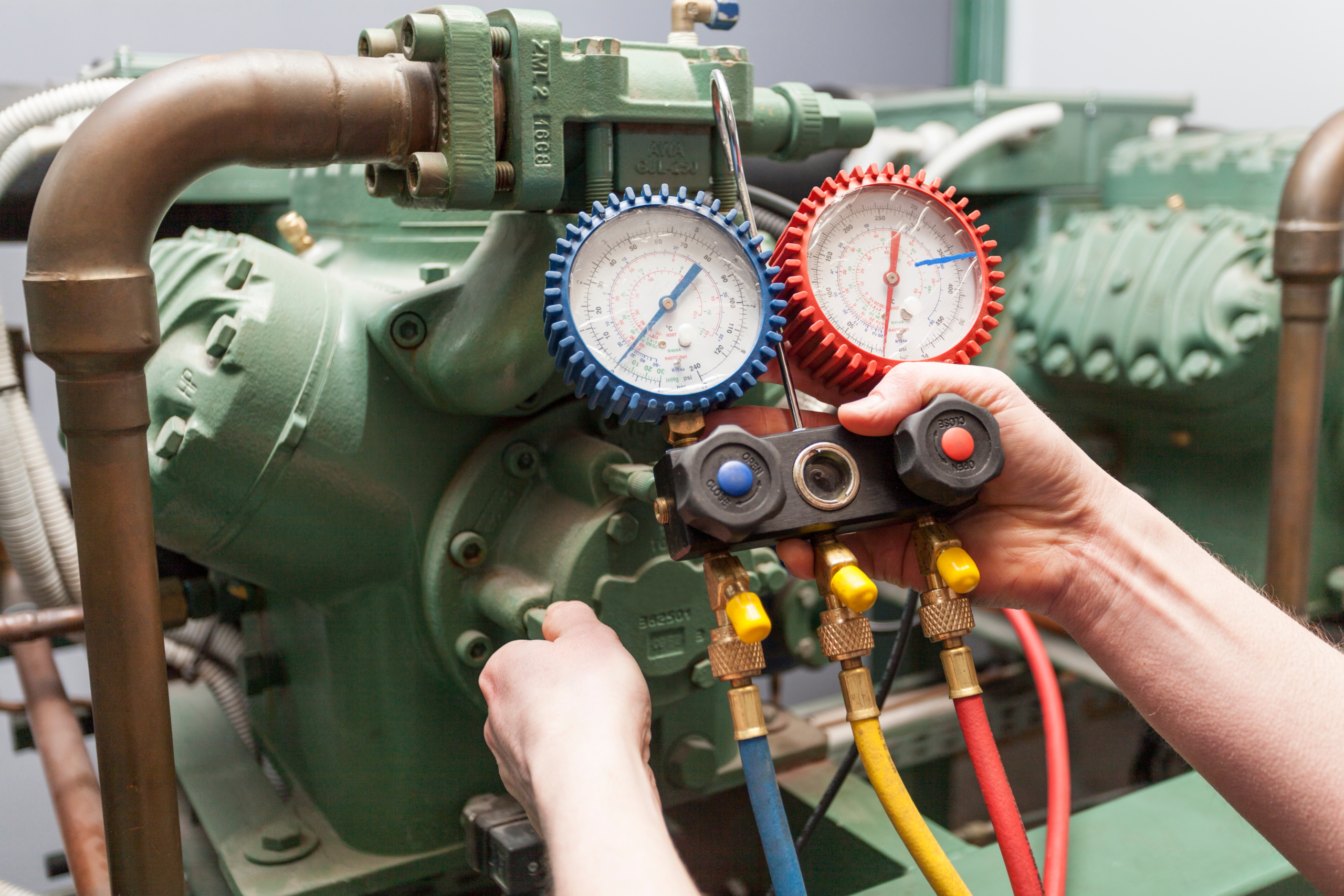
Commercial refrigerators and freezers are the lifeblood of many businesses, ensuring food safety and preserving valuable inventory. But just like any other machine, these workhorses can encounter problems, and often the culprit is the compressor – the heart of the refrigeration system. A failing compressor can lead to spoilage, lost revenue, and a major headache.
The Silent Treatment:
Is It Off? The first step in troubleshooting is to ensure the unit has power. Check for any tripped breakers or blown fuses that might be cutting power to the refrigerator or freezer. This simple check can sometimes solve the problem without further intervention.
Start Relay Issues: If the unit has power but the compressor isn’t running, the problem might be a faulty start relay. This component provides the initial surge of current needed to start the compressor motor. A technician can diagnose and replace a faulty start relay, but if you’re handy, you may be able to check it yourself with the proper tools and precautions.
The Hot and Bothered Compressor:
Condenser Coil Maintenance: The condenser coils are responsible for releasing heat from the refrigerant. Over time, these coils can become dirty or clogged, hindering efficient heat transfer and causing the compressor to overwork and overheat. Regularly clean the condenser coils using a soft brush and a vacuum cleaner to maintain optimal performance.
Fan Failure: The condenser fan helps draw air through the condenser coils. If the fan isn’t functioning correctly, it can lead to improper cooling and an overheating compressor. Inspect the fan for any obstructions and listen for unusual noises. A qualified technician can replace a faulty fan motor if needed.
The Noisy Neighbor:
Loose or Worn Parts: Unusual noises such as grinding, rattling, or clunking may indicate loose or worn components within the compressor. These issues typically require professional attention and may necessitate a compressor replacement. However, before jumping to that conclusion, contact National Compressor Exchange. Our technical support team can help you diagnose the problem and explore possible solutions, potentially saving you from a complete replacement.
Refrigerant Line Issues: Hissing or bubbling sounds near the compressor could signal a refrigerant line issue or a low refrigerant level. These problems should only be handled by a qualified technician, as dealing with refrigerants can be hazardous.
Bonus Tip: While some troubleshooting steps can be safely attempted, it’s essential to remember that tampering with a refrigeration system can be dangerous. If you suspect a significant compressor issue, it’s always best to consult with a professional HVAC technician for accurate diagnosis and repair.
By understanding these common refrigeration compressor issues and their warning signs, you can take a proactive approach to maintenance and troubleshooting. Early detection and intervention can prevent costly downtime and ensure your valuable inventory remains safe and cool. Remember, our remanufacturing services offer a reliable and economical option to extend the life of your compressor, helping you save money and maintain business continuity.